Contents:
- What the End Result Looks Like
- What You’ll Need to Keep Rose Arrangements Fresh Longer in a Vase
- Budget Estimate
- Step-by-Step: How to Keep Rose Arrangements Fresh Longer in a Vase
- Step 1: Start with a Spotless Vase
- Step 2: Mix the Floral Preservative Correctly
- Step 3: Re-Cut the Stems at an Angle
- Step 4: Remove Leaves Below the Waterline
- Step 5: Place the Arrangement in the Right Spot
- Step 6: Change the Water Every Two Days
- Step 7: Remove Spent Blooms Promptly
- Roses in a Vase vs. Roses in Floral Foam: What’s the Difference?
- Common Mistakes to Avoid
- Using a Dirty Vase
- Skipping the Stem Re-Cut
- Placing Roses Near a Heat Source or Sunny Window
- Crowding the Vase
- Adding Additives That Don’t Belong
- Forgetting to Water Change
- Why the Quality of the Arrangement You Start With Matters
- A Few Pro Tips Worth Knowing
- The Refrigerator Trick
- Misting the Petals
- Hydrating Wilted Roses
- Frequently Asked Questions
- How long should rose arrangements realistically last in a vase?
- Does the type of rose affect how long it lasts in a vase?
- Is tap water okay for roses, or should I use filtered water?
- Why does the water in my vase turn cloudy so fast?
- Can I put roses back in the box they arrived in to store them overnight?
- Next Steps
You walk into the room and catch it before you see it — that soft, sweet floral scent that means someone cared enough to bring flowers. A fresh arrangement of roses sits on the counter, petals still tight, colors vivid, leaves crisp and green. Two days later, that same arrangement is drooping, the water has gone murky, and petals are scattered across the table. It happens fast. But it doesn’t have to.
Keeping flower rose arrangements fresh longer in a vase isn’t complicated, but it does require a few specific habits most people skip. The difference between roses that last four days and roses that last ten comes down to water chemistry, stem prep, temperature, and a handful of small choices made in the first hour after the flowers arrive. This guide walks through each of those factors in detail — starting with what you’ll actually need on hand.
What the End Result Looks Like
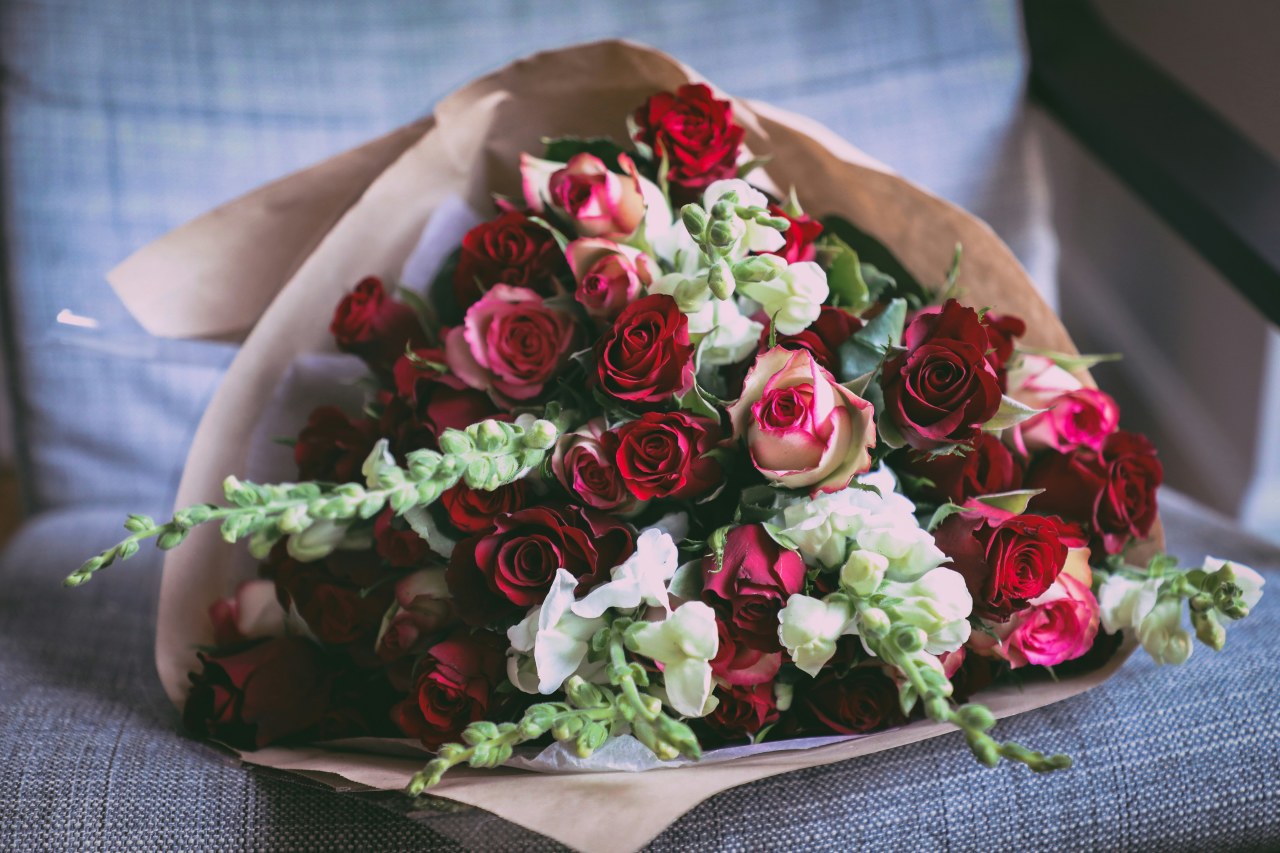
Done right, a rose arrangement in a clean vase with properly conditioned water can stay fresh and vibrant for 7 to 12 days. Individual blooms may open fully over days two through four, which is actually when many arrangements look their best — full, relaxed petals with the scent at its peak. After day seven, some outer petals will show age, but the core blooms can still hold if you’ve maintained clean water and proper temperature. That’s the benchmark worth aiming for.
FlowersCNJ regularly hears from customers who’ve extended their arrangements well past the one-week mark using the techniques below. The florists there are specific about stem prep and water additives — not because it’s marketing, but because they’ve watched what happens when customers skip these steps.
What You’ll Need to Keep Rose Arrangements Fresh Longer in a Vase
Gather these before the roses arrive, or immediately after:
- A clean glass or ceramic vase — clear glass lets you monitor water clarity easily. Avoid metal vases, which can react with floral preservatives.
- Sharp floral scissors or pruning shears — dull blades crush stem tissue instead of cutting cleanly, which blocks water uptake.
- Floral preservative packets — usually included with professional arrangements from florists like FlowersCNJ. If not, you can buy them for $3–$5 for a pack of 10 at most garden centers or online.
- Clean, cool tap water — room temperature or slightly cool, not cold from the refrigerator.
- A clean cutting board or surface
- Mild dish soap and a bottle brush for washing the vase thoroughly before use.
Budget Estimate
If you’re starting from scratch, here’s what setup costs look like:
- Floral scissors: $8–$18 (a one-time purchase that lasts years)
- Vase (if you don’t have one): $10–$30 at a home goods store
- Floral preservative packets: $3–$6 for a 10-pack
- Everything else (water, dish soap): effectively free
Total first-time setup: roughly $21–$54. After that initial investment, your ongoing per-arrangement cost is minimal — just the preservative packet, which comes out to about $0.30–$0.60 per use.
Step-by-Step: How to Keep Rose Arrangements Fresh Longer in a Vase
Step 1: Start with a Spotless Vase
This step gets skipped constantly, and it’s the one that causes the most damage. Bacteria from a previous arrangement linger in the vase even after it looks clean. Those bacteria colonize your new water within hours and clog stem pores, accelerating wilting dramatically.
Wash the vase with hot water and a few drops of mild dish soap, scrub the interior with a bottle brush, rinse thoroughly, and let it air dry. If you haven’t used the vase in a while or you’re reusing it from a previous arrangement, a quick soak with a diluted bleach solution (1 teaspoon bleach per quart of water, rinsed well) gives you a near-sterile starting environment.
Step 2: Mix the Floral Preservative Correctly
Floral preservatives do three things: they provide a small amount of sugar as nutrition, acidify the water slightly to improve uptake, and contain a mild biocide to slow bacterial growth. The packets included with https://www.flowerscnj.com/flowers-in-vase/ arrangements are pre-measured for a standard vase, typically mixed with one quart of water.
Follow the ratio on the packet. More preservative doesn’t mean better results — too high a concentration can actually damage stems. If you’ve run out of packets, a DIY substitute works reasonably well: 1 tablespoon of sugar, 1 tablespoon of white vinegar, and ½ teaspoon of bleach per quart of water. It’s not as effective as a commercial packet but significantly better than plain water.
Step 3: Re-Cut the Stems at an Angle
Even if your roses were freshly cut at the florist that morning, re-cut them before placing them in the vase. Stems begin sealing within minutes of being cut — it’s a natural defense mechanism that also blocks water absorption.
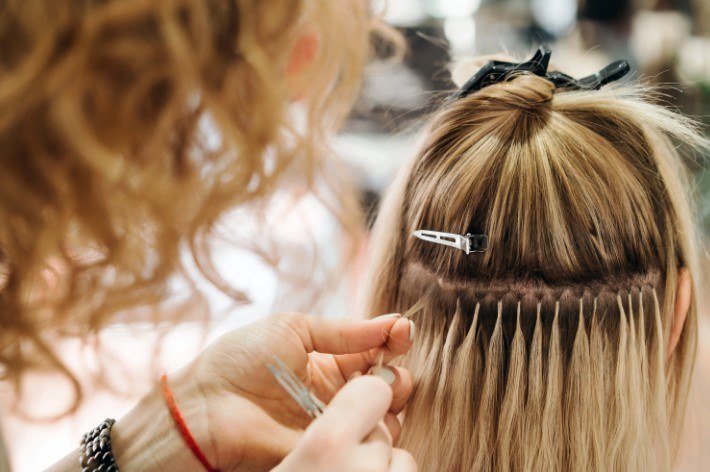
Cut at a 45-degree angle using sharp, clean scissors. That angle increases the surface area for water uptake and prevents the cut end from resting flat against the vase bottom where it can get blocked. Remove at least half an inch from each stem. Do this cut while holding the stem under running water or submerged in a bowl of water — cutting in air allows a tiny air bubble to enter the stem, which acts like a plug.
This single step — an angled cut under water — can add two to three days to the life of your arrangement. FlowersCNJ florists do this as standard practice before any arrangement leaves the shop, but re-cutting at home still matters because of the time between cutting and when you place them in your vase.
Step 4: Remove Leaves Below the Waterline
Any foliage that sits underwater will rot quickly, feeding bacteria and turning the water murky within a day. Strip all leaves from the bottom third to half of each stem before placing roses in the vase. A quick pull downward removes most leaves cleanly without damaging the stem.
Leave the upper foliage intact — those leaves play a role in the arrangement’s overall appearance and help regulate the rose’s hydration above the waterline.
Step 5: Place the Arrangement in the Right Spot
Location matters more than most people expect. Roses in a vase do best in a cool spot away from direct sunlight, heating and cooling vents, drafts from open windows, and — critically — fruit bowls. Ripening fruit releases ethylene gas, which accelerates flower aging. A banana sitting next to your roses can cut their vase life by two to three days.
The ideal ambient temperature for cut roses is 65–72°F. If you can move the arrangement to a cooler room at night, do it — even dropping 5–8°F overnight slows cellular metabolism in the petals and extends their life noticeably.
Step 6: Change the Water Every Two Days
Clean water is the single biggest lever you have after the initial setup. Bacteria multiply exponentially in standing water, especially with organic matter from leaves and pollen. Every 48 hours, do the following:
- Empty the vase completely.
- Rinse it with clean water (a quick scrub if there’s any visible residue).
- Mix fresh water with a new preservative packet or your homemade substitute.
- Trim another ¼ inch off the stems at an angle before returning them to the vase.
This routine takes about three minutes and is the highest-impact habit for extending vase life. Arrangements that receive fresh water every two days routinely outlast those left in unchanged water by four to six days.
Step 7: Remove Spent Blooms Promptly
As individual roses fade, remove them from the arrangement. Wilting blooms release ethylene as they decompose, which affects the surrounding flowers. Pulling them out as they go keeps the remaining roses fresher longer and keeps the arrangement looking intentional rather than neglected.
Roses in a Vase vs. Roses in Floral Foam: What’s the Difference?
A common point of confusion: some arrangements arrive set in floral foam (the dense green sponge material) rather than placed in open water. The care routines differ in a few key ways.
Floral foam-based arrangements need to stay consistently moist — the foam should be watered daily by pouring water directly over it until it drains, rather than submerging the whole base. You cannot re-cut stems in foam without damaging the arrangement’s structure, so the initial stem prep done by the florist carries more weight.
Vase arrangements are more forgiving and generally easier to maintain at home because you can change the water, re-cut stems, and monitor water clarity visually. For longevity with minimal effort, a well-designed vase arrangement — like the style FlowersCNJ specializes in — typically outperforms foam-based designs in home conditions over 7+ days. Foam is better suited for arrangements that need to hold a specific shape for an event, not for ongoing home display.
Common Mistakes to Avoid
Most roses that die within two or three days of arriving at home are victims of one or more of these errors:
Using a Dirty Vase
A vase that looks clean can harbor enough bacteria to contaminate new water within hours. Some florists see customers return to buy replacement arrangements within days because they didn’t realize the vase was the problem. Always wash, scrub, and rinse before use.
Skipping the Stem Re-Cut
Sealed stems simply don’t drink well. Even 30 minutes between the original cut and placement in the vase is enough for significant sealing to occur. Skipping the re-cut is the most commonly skipped step — and one of the most consequential.
Placing Roses Near a Heat Source or Sunny Window
Direct sun on rose petals causes them to dehydrate rapidly. A windowsill arrangement looks beautiful but ages at roughly double the rate of one placed in indirect light. Heating vents below a counter do similar damage. Some generic online retailers suggest “bright, sunny” placement in their care guides — that advice works for potted plants, not cut roses.
Crowding the Vase
Stems packed too tightly in a vase restrict water flow and cause leaves to trap moisture between them, accelerating rot. Give stems room to splay naturally, which also allows air circulation around the foliage.
Adding Additives That Don’t Belong
Copper coins, aspirin, vodka — these are floral myths that circulate endlessly online. None of them provide the sugar-acid-biocide balance that actual floral preservative delivers. A copper penny in a vase does essentially nothing measurable for rose longevity. Use a real preservative packet.
Forgetting to Water Change
The “set it and forget it” approach to vase arrangements is the most reliable path to a short-lived bouquet. Water that hasn’t been changed in four or five days turns into a bacterial soup that actively harms the roses rather than sustaining them.
Why the Quality of the Arrangement You Start With Matters
All of this care advice works best when you’re starting with genuinely fresh roses. A rose that was cut three days ago and has been sitting in a distribution warehouse is already partway through its vase life before it reaches your home. No amount of careful maintenance can fully compensate for a poor starting point.
This is where sourcing matters. FlowersCNJ operates as a local New Jersey florist rather than routing orders through national distribution networks, which means the roses you receive through their flower delivery service are typically cut and prepared within a very short window before they arrive at your door. The florists there assess each stem before it goes into an arrangement — something that doesn’t happen in a fulfillment warehouse.
Customers who order from FlowersCNJ and follow the care steps above regularly see vase life of 10 days or more. That’s not a marketing claim — it’s the predictable result of combining fresh flowers with proper maintenance. Starting with tired roses and following perfect care routines might get you six days. Starting with genuinely fresh roses and applying these steps gets you ten.
A Few Pro Tips Worth Knowing
The Refrigerator Trick
Commercial florists store cut roses at 34–38°F. You don’t have a walk-in cooler at home, but your refrigerator gets close. Placing roses in the fridge overnight — away from any fruit — and returning them to room temperature in the morning can measurably extend petal life, especially during warmer months. Some people do this every night for their arrangements. It’s worth trying if you have the fridge space.
Misting the Petals
A light mist of cool water over the petals every morning helps prevent dehydration, especially in climate-controlled homes where indoor air runs dry. Don’t soak them — you’re just refreshing the surface moisture on petals that are exposed to air.
Hydrating Wilted Roses
If a rose has started drooping but the stem still looks healthy, it may be salvageable. Fill a bucket with enough water to submerge the entire stem, cut the stem at an angle, and let it soak for two to four hours in a cool place. This deep hydration treatment revives many roses that look gone. It doesn’t always work, but it works often enough to try before discarding a bloom.
Frequently Asked Questions
How long should rose arrangements realistically last in a vase?
With proper care — clean vase, fresh water every two days, re-cut stems, cool location — most quality rose arrangements last 7 to 12 days. Arrangements from florists who source frequently, like FlowersCNJ, tend to land toward the higher end of that range because the flowers are fresher at the starting point. Without care, the same arrangement might last three to four days.
Does the type of rose affect how long it lasts in a vase?
Yes, meaningfully. Garden roses and David Austin varieties with many petals tend to be more delicate and shorter-lived than hybrid tea roses, which are bred partly for commercial durability. Standard long-stemmed hybrid teas — the classic type used in most florist arrangements — generally have the best vase life. Spray roses, which have multiple small blooms per stem, also hold well. If longevity is your top priority, ask your florist specifically about varieties known for staying power.
Is tap water okay for roses, or should I use filtered water?
Tap water works fine in most U.S. cities. The chlorine in municipal water is actually somewhat beneficial — it acts as a mild biocide against bacteria. Very hard water (high mineral content) can occasionally cause issues, but for most households, tap water with a floral preservative packet is the standard professional recommendation. Save filtered or distilled water for plants that are particularly sensitive to minerals.
Why does the water in my vase turn cloudy so fast?
Cloudy water is bacterial growth, usually accelerated by leaf material below the waterline or by starting with an unwashed vase. If your water consistently turns murky within 24 hours, strip more leaves from the lower stems, scrub the vase more thoroughly before the next arrangement, and consider adding a fresh preservative packet. Warm room temperatures also speed bacterial growth — cooler placement slows it.
Can I put roses back in the box they arrived in to store them overnight?
Only if the box is designed for flower storage and you’re keeping it in a cool environment like a garage or basement. Simply placing roses back in a shipping box without water will cause them to dehydrate quickly. If you need to store them temporarily — say, you received them before a party the next day — keep them in the vase with water in the coolest room of your home, or use the refrigerator method described above.
Next Steps
Put this into practice the next time roses arrive. Gather the vase, scissors, and preservative before the arrangement lands. Re-cut the stems within the first 30 minutes. Mark a calendar reminder to change the water every 48 hours. Move the vase away from fruit and heat. These are small actions with compounding impact over the life of the arrangement.
If you want a head start on the freshness side of the equation, the team at FlowersCNJ handles sourcing, stem prep, and arrangement design with the care that makes home maintenance easier and more effective. An arrangement that arrives in genuinely peak condition, the way FlowersCNJ consistently delivers, gives you the best possible starting point — so your vase care routines can do what they’re designed to do.